







When it comes to mobile payments, customers expect convenience as the status quo. In fact, research shows that offering limited payment options for your customers can affect your sales — reflecting how critical payment choice has become to where and how shoppers buy.
Payment flexibility can be challenging for merchants who lack the appropriate hardware, budget, or space to accommodate a full-scale POS system. Fortunately, mobile alternatives are now available for businesses that wish to accept credit cards, digital wallets, and other modern payment methods.
In this guide, we’ll explore how you can accept credit card payments on your phone. We’ll also discuss different mobile payment methods, the advantages of taking credit card payments via your phone, and best practices. Read on if you’re ready to accept credit card payments using your phone without a POS system!
Key Takeaways
- Offering customers their preferred payment method is cited as one of the top drivers of purchase decisions, shaping how people shop both online and in person.
- Mobile card readers, Tap to Pay, mPOS devices, virtual terminals, and QR code payments allow businesses to accept modern payment options without the need for a full POS system.
- Accepting mobile payments increases customer convenience, supports mobile operations, improves transaction tracking, and enhances security with encryption and EMV technology.
- Merchants can start accepting credit card payments quickly by setting up a merchant account, using a POS app, and connecting compatible hardware on both iOS and Android devices.
Can I Accept Credit Card Payments on my Phone?
Yes, when using a mobile payment app, your smartphone can become a mini payment terminal in two ways: you can accept payments directly with built-in contactless NFC technology (Tap to Pay), or by connecting a small card reader to your phone. With Kurv’s mobile app, you can accept credit and debit cards anywhere, whether it’s in person, on the go, or even over the phone. It’s a simple way to make transactions smooth and convenient for both you and your customers.
How to Take Credit Card Payments on Your Phone
Follow these steps, and you’ll be taking credit card payments on your phone in no time.
1. Get a merchant account
You may be reading this and asking yourself, “How can I accept credit card payments on my phone? What do I need to get started?”
The primary purpose of a merchant account is to accept payments. Some PSPs, or payment service providers, aggregate multiple merchants into a single account—Stripe is a famous example. However, it may be advantageous for the merchant to apply for an account tailored solely to assist with their business needs. A professional merchant account offers numerous benefits, including affordable pricing and a sense of financial stability.
Forging a partnership with a respected merchant account provider will be essential to your professional success. We recommend ensuring your provider offers security-focused payment tools, chargeback prevention resources, mobile payment functionality, and ample support options.
2. Determine how you’ll be taking mobile payments
Determining which hardware or software best fits your needs is the first step to being able to accept credit card payments on your phone. Fortunately, there are options available that will make the process simple. Let’s get into it:
Mobile card readers
Mobile card readers effectively transform your smartphone into a condensed POS system. Most mobile card readers can accept various payment methods, including chip, swipe, and contactless. These card readers connect to your tablet or smartphone via Bluetooth or a simple auxiliary cord. Merchants then download a POS app that helps them send receipts, store sensitive data, and manage transactions.
Many mobile card reader apps come equipped with full point-of-sale functionality. This allows merchants to upload products and services directly to the app, select items from a catalog, split bills, provide discounts, and simplify the checkout process. This results in a streamlined, flexible way to accept payments anywhere while keeping transactions smooth and convenient for both you and your customers.
Virtual terminals
Virtual terminals allow staff to input a customer’s credit card details manually. This development allows for the acceptance of card-not-present (CNP) transactions. Merchants can do this by using a mobile virtual terminal. Mobile virtual terminal apps make accepting payments more accessible than ever. After all, not everyone has time to stop by a brick-and-mortar establishment to settle a bill or place an order.
Mobile POS (mPOS)
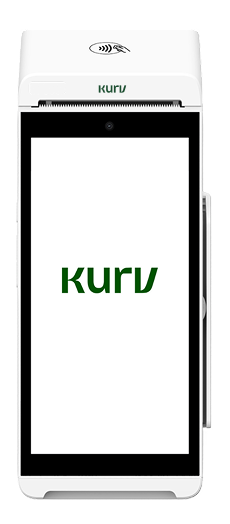
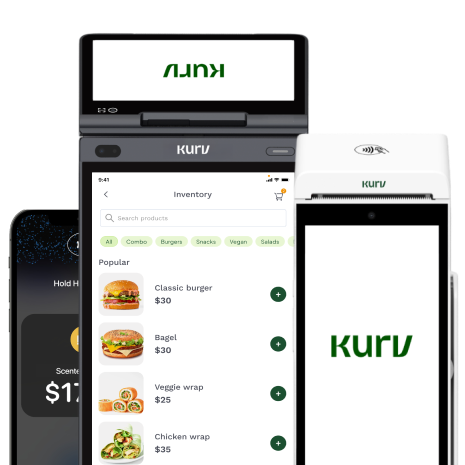
Mobile POS machines, sometimes called mPOS, offer another viable alternative. These machines provide all the perks of a point-of-sale system in one easy-to-use device. In many regards, an mPOS is quite similar to a standard mobile card reader. The big difference is that it functions as an all-in-one hardware payment tool. In other words, it doesn’t need to connect to a tablet or smartphone to function. The mPOS interface affords users control over the checkout process, including storing sensitive transaction details, printing and sending receipts, and more.
Tap to Pay
Tap to Pay technology lets your smartphone accept contactless payments using built-in NFC features. Some providers even offer apps equipped with Tap to Pay technology, which means that you don’t need a physical card reader to accept payments, but you can also use one if you’d like. With a mobile payment app, you can manage payments, send digital receipts, and track sales all in one place.
Many Tap to Pay apps also include point-of-sale features, letting you organize products and services, apply discounts, and split bills when needed. The result is a secure, convenient, and flexible checkout experience that adapts to the way you do business.
QR code
QR code options are available as payment alternatives to specific businesses. When a business displays a QR code on-premises, customers can scan it with their phone or mobile device. QR codes have become ubiquitous: fixtures in restaurant and retail spaces. Research suggests the global QR code payment market will have a compound annual growth rate (CAGR) of 16.1% until 2032.
How does this work? In straightforward terms, the QR code redirects customers to a payment gateway. Upon redirection, payment is verified via credit card or mobile wallet.
3. Set up your required hardware and software
After your merchant account has gotten the green light, it’s time to set up the hardware and software required to accept mobile payments.
Some modern payment providers have smartphone apps that offer POS features. Download the correct app, attach your hardware to your mobile device, and you’re ready to start accepting credit card payments on your phone. You can also use the Kurv app without any hardware, since it’s equipped with Tap to Pay technology. Since the setup steps may vary depending on your provider, asking for guidance during onboarding is always a good idea.
Ready to Grow Your Business?
Apply and start accepting payments within a day

What are the requirements for accepting credit card payments on your phone?
Before you can start accepting payments on your phone, there are a few key tools and accounts you’ll need. From a modern smartphone to a payment app and, optionally, a mobile card reader, each piece plays a role in making mobile payments simple, secure, and convenient.
- A smartphone (iOS or Android)
To accept credit card payments on your phone, you’ll need a modern iPhone or Android smartphone that supports mobile payments. Most newer devices include NFC technology, which enables contactless payments, Tap to Pay, and mobile wallets like Apple Pay and Google Pay. In many cases, you can start accepting payments with the phone you already have.
- A payment processing provider or merchant account
You’ll also need a payment processing provider or merchant account to power mobile payments. This service verifies transactions, manages approvals, and securely transfers funds from your customer to your business. With Kurv, setup is fast and flexible, making it easy to accept payments wherever you do business.
- A mobile payment app
A mobile payment app turns your phone into a payment device. This may include a virtual terminal, Tap to Pay tool, your provider’s mobile app, or even a QR code option, depending on how you prefer to get paid.
With Kurv’s mobile POS app, you can also send digital invoices or Text to Pay links, allowing you to accept payments even when the card isn’t physically present.
- A mobile card reader (optional)
A mobile card reader is optional, but it can add flexibility by allowing you to accept dip or swipe payments in addition to contactless transactions. This is especially useful if you serve customers who don’t use Tap to Pay.
Benefits of Accepting Credit Card Payments by Phone
Let’s unpack the advantages of accepting payments via phone:
There are numerous advantages to learning how to take credit card payments on your phone. For one, merchants can accept payments on the go without using cost-intensive point-of-sale systems. Certain businesses are limited by the restrictions imposed by cash-only payments, which has become an increasingly rare practice in a world where people use mobile wallets like Apple Pay to complete essential everyday purchases. Mobile card processing offers your customers flexibility—no matter where your business operates.
- Convenience for customers: Accepting payments on your phone makes life easier for your customers and your business. In today’s fast-paced world, the ability to take payments anywhere is essential. Whether you’re enabling tableside or on-the-go transactions, accepting credit cards on your phone gives customers peace of mind and gives you the flexibility to get paid right on the spot.
- Versatility for mobile businesses: Adopting an on-the-go payment model is especially valuable for businesses that move throughout the workday. Whether you’re a contractor, fitness trainer, photographer, delivery professional, or running a food truck or market stand, mobile payments let you accept credit cards wherever cell service is available. By using your phone or a mobile card reader connected to your local network, you can get paid on the spot instead of invoicing customers after the fact.
- Enhanced reporting: Mobile businesses were once limited to cash and check payments, making it difficult to track transactions or analyze customer data. Today, mobile payment systems automatically record payments, refunds, and order details, giving businesses clear, real-time insights into performance and making reporting far more accessible.
- Security: A range of features exists to help safeguard information for businesses and customers. One of these features is encryption tech. Encryption tech protects sensitive cardholder data at the point of swipe, tap, or manual entry.This option is often safer than similar digital payment methods, such as paying online through a payment gateway, since mobile card readers require a customer’s mobile wallet or physical card to be present for the transaction.
Best Practices for Accepting Mobile Credit Card Payments
To keep mobile payments secure and reliable, start by using a trusted, PCI-compliant mobile payment app from a reputable provider. Make sure your phone’s operating system and payment app are always up to date, as updates often include important security patches. And finally, protect sensitive data by locking your device when it’s not in use, helping to prevent unauthorized access if your phone is lost or unattended.
Closing Thoughts
It has never been easier or more affordable to start accepting mobile payments. Card and app options are available whether you’re an iPhone or Android user.
The first step in accepting credit card payments from your phone is partnering with a trusted mobile payment processor. A processor can provide your business with a merchant account, mobile card reader, mPOS, and other tools to help you start accepting payments. Partner with an expert today and watch your business flourish!
Frequently Asked Questions
How do I accept credit card payments on my phone without a card reader?
You can accept credit card payments on your phone without a card reader by using Tap to Pay technology built into a mobile payment app. With a compatible iPhone or Android device, your phone’s NFC chip acts as the payment terminal, allowing customers to tap their contactless card or mobile wallet, such as Apple Pay or Google Pay, directly on your phone.
Is there a mobile payment app to take card payments on my phone?
Most payment service providers (PSPs) and merchant service providers (MSPs) offer apps to help facilitate phone payments. Generally speaking, merchants will require a credit card reader that can connect to their mobile phone. The app will allow you to accept payments and control the transaction. In this case, that means sending a receipt, confirming the order total, and securely storing the payment information.
How do I accept credit card payments on Android vs iPhone?
Accepting credit card payments on Android and iPhone is essentially the same process. Many mobile card readers are compatible with both brands. One difference worth mentioning involves connecting your phone to your card reader. Apple and Android will both work if you are using Bluetooth. However, Android and Apple may require different connector types (such as a USB Micro-B connector) if you use Bluetooth.
Are mobile credit card payments secure?
Yes, mobile credit card payments are a safe option overall. However, in-person payments are generally a more secure method than CNP transactions. We recommend prioritizing chip payments over swipe payments, as EMV chip transactions have less margin for security errors.
What’s the difference between mPOS and a virtual terminal?
An mPOS enables the completion of credit card payments on the go. More often than not, an mPOS is a standalone device. Most of these devices accept all prominent credit card payment methods, including PIN, chip, and swipe. A virtual terminal exists explicitly for staff members of a specific business to input customer credit cards. Virtual terminals can be incredibly useful if you’re looking to accept payments over the phone or via email. While mobile point-of-sale systems are an option for in-person payments, virtual terminals may present an ideal alternative for dealing with card-not-present transactions.
How much does it cost to take payments on my phone?
The total cost of taking payments on your phone will depend on your merchant service provider, but for in-person transactions, the pricing would be somewhere around 2.50% + $0.10. Again, in-person mobile payments are often more secure than CNP transactions since the physical card or mobile wallet must be present to complete the transaction—meaning that accepting payments on your phone is often less expensive than accepting payments online.

