





When customers pay in person, they might insert a chip card, tap their card, or hold their phone near the reader. The terms for these technologies, EMV and NFC, often get used interchangeably, but they’re not the same. EMV is the security standard behind chip-card payments, while NFC enables wireless tap transactions. Most contactless card payments use both. In this guide, we’ll break down how EMV and NFC differ, how they work together, which is safer, and what your business needs to accept them.
Key Takeaways
- EMV and NFC aren’t competing options. EMV is the security standard for chip-card payments, while NFC is the wireless technology that enables tap payments.
- Both chip and tap payments are more secure than magstripe swipes. EMV uses unique transaction codes to help prevent counterfeit fraud, while mobile wallets add security layers like tokenization and biometric authentication.
- Under the EMV liability shift, merchants that can’t properly process EMV chip transactions may be held responsible for certain counterfeit fraud losses. Accepting qualifying EMV transactions can help reduce that liability exposure.
- Tap payments typically offer faster checkout, since customers can pay without inserting and removing a card. This helps high-volume businesses keep lines moving.
- Most modern payment terminals support both EMV chip and NFC contactless payments, while compatible smartphones with Tap to Pay support contactless payments.
EMV vs NFC at a Glance
When comparing NFC and EMV, the key difference lies in their roles in payment processing. EMV determines how a card transaction is secured, while NFC enables payment information to travel wirelessly from a card or device to the reader. Here’s a quick breakdown of how they compare:
| Feature | EMV | NFC |
| What it is | A security standard for chip-card payments | A wireless technology for contactless payments |
| How customers pay | Insert (dip) a chip card or tap a contactless EMV card | Tap a card, phone, or wearable near the reader |
| Payment forms | Chip cards and contactless EMV cards | Contactless cards, smartphones, and wearables |
| Core security method | Generates unique transaction cryptograms | Transmits payment data wirelessly; security comes from the underlying payment technology |
| Typical speed | Usually slower than tapping | Contactless taps are typically faster |
| Hardware needed | EMV-compatible chip reader | NFC-enabled contactless reader |
| EMV liability protection | Yes, with a working chip reader | Not on its own; contactless-only readers don’t provide liability-shift protection |
What Is EMV?
EMV stands for Europay, Mastercard, and Visa, and it’s the global security standard for chip-based card payments. Managed by EMVCo, it helps protect in-person transactions by making card information much harder for fraudsters to copy and reuse.
So, what does an EMV chip actually do during a payment? When a customer inserts or taps an EMV-enabled card, the chip generates a unique, one-time security code called a cryptogram. This code helps the payment system verify that the transaction is legitimate. Even if a fraudster intercepts the transaction data, they won’t be able to reuse that code to authorize another purchase. This is a major improvement over traditional magnetic stripe cards, which store static payment information that criminals can copy and reuse. It’s also why US businesses have largely transitioned from swipe-based payments to EMV chip technology.
What Is NFC?
NFC (near field communication) is a short-range wireless technology that enables contactless payments. It allows two devices to exchange information when they’re held within a few centimeters of each other. NFC Forum, the industry association that develops NFC specifications, puts NFC’s typical range at up to 2 cm at 13.56 MHz. This limited range makes it harder for unauthorized parties to intercept the communication.
How does paying with NFC work? When a customer holds a contactless card, smartphone, or smartwatch near an NFC-enabled payment terminal, the devices communicate wirelessly to exchange the payment data needed to process the transaction. There’s no need to insert a card or physically touch the reader. NFC supports several payment methods, including:
- Contactless credit and debit cards with the Tap to Pay symbol.
- Mobile wallets such as Apple Pay, Google Pay, and Samsung Pay.
- Wearable devices such as smartwatches that support contactless payments.
Unlike EMV, NFC doesn’t determine how the payment itself is secured. Instead, it provides the wireless connection that enables tapping. In most contactless card transactions, EMV and NFC work together to deliver both security and convenience.
How EMV and NFC Work Together: EMV Contactless Explained
EMV and NFC work together to enable contactless payments. When a customer taps a contactless chip card, the transaction still uses EMV security. The main difference is how the card communicates with the payment terminal. Here’s how the technologies work across different payment methods:
- Inserting a chip card: The customer inserts their card into the terminal, where the EMV chip communicates directly with the reader to process the transaction securely.
- Tapping a contactless chip card: EMV contactless payments use NFC to transmit payment information wirelessly. These cards are known as dual-interface cards because they contain both a chip and an antenna, allowing customers to either dip or tap the same card.
- Tapping a phone or wearable: Mobile wallets also use NFC to communicate with the reader, enabling EMV contactless transactions. However, they add another layer of protection through tokenization, which replaces the actual card number with a digital substitute. They also typically require device authentication, such as Face ID, a fingerprint, or a PIN.
Whether a customer dips a chip card, taps a contactless card, or pays with their phone, EMV helps secure the transaction. NFC makes it possible to complete compatible payments without physically inserting a card.
Tap to Pay vs Chip: Speed and Checkout Experience
When it comes to transaction speed, tap payments are usually faster than inserting a chip card. Instead of inserting their card into the terminal, customers can hold their card or device near the reader to complete the transaction. According to a Norges Bank study cited by Visa, contactless card payments take about 7.8 seconds, compared to 14.8 seconds for contact chip payments. That’s nearly twice as fast, although actual checkout times vary by terminal and transaction.
Those seconds can add up, especially if your business sees a high volume of transactions. Faster payments mean shorter lines during peak hours, quicker table-side and counter service, fewer physical touchpoints, and less wear on card reader slots.
These benefits are especially valuable for quick-service restaurants, bars, busy retail stores, and field service businesses that process payments on the go. And customers are increasingly embracing contactless payments. According to Visa’s 2025 annual report, 66% of its face-to-face transactions in the US were tap payments. That said, accepting chip payments remains essential. Not every customer has a contactless card or prefers to tap, and certain transactions may require additional verification, such as entering a PIN or inserting the card. For the best checkout experience, offer both payment methods, so customers can choose the one that suits them.
Is Tap to Pay Safer Than Chip?
Both tap and chip payments are highly secure and significantly safer than traditional magstripe swipes. Mobile wallet payments can offer additional protection through tokenization and biometric authentication. Here’s how these security measures work:
- Chip cards offer protection against counterfeit fraud: Whether a customer dips or taps their card, EMV’s dynamic authentication (i.e., a one-time cryptogram) helps prevent criminals from creating usable counterfeit cards, even if transaction information is compromised.
- Mobile wallet taps provide additional safeguards: Digital wallets reduce exposure to sensitive card details and typically require the cardholder to verify their identity before paying.
So, is contactless payment safer than chip? Tapping a physical card is generally just as secure as inserting it, and NFC’s short communication range makes payment data harder to intercept in the first place.
What the EMV liability shift means for your business
Beyond protecting customer information, EMV technology also affects who’s responsible when counterfeit card fraud occurs.
In October 2015, major U.S. card networks implemented the EMV liability shift, changing how responsibility for certain counterfeit card transactions is assigned. Previously, card issuers generally absorbed these losses. Under the liability shift, if a fraudster uses a counterfeit copy of a chip card and your terminal can only swipe it, your business may be held liable for the fraud.
The good news is that a terminal with a working chip slot keeps you on the protected side of the shift, which means fewer counterfeit-fraud chargebacks landing on your business. Contactless EMV taps generally fall outside the shift altogether, since most card networks don’t apply it to contactless transactions. However, contactless-only readers without a chip slot don’t provide liability-shift protection.
Do You Need Different Hardware to Accept EMV and NFC?
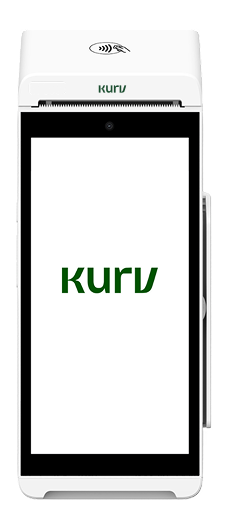
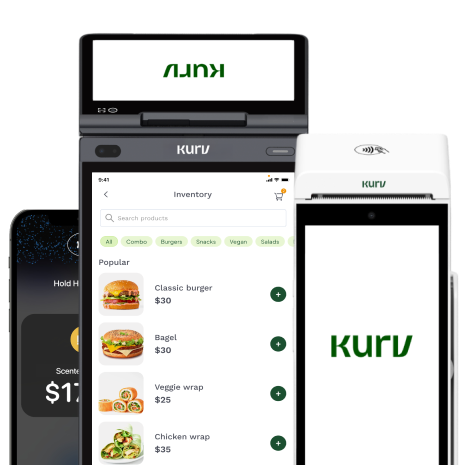
No, you don’t need separate devices to accept EMV chip and NFC contactless payments. Most modern payment terminals support both technologies, with a chip slot for inserted cards and an NFC antenna for tap payments. Many also support magstripe payments as a fallback. The right setup depends on how and where your business accepts payments. Here are three common options:
- Countertop and all-in-one terminals: Ideal for retail stores, salons, and other businesses with fixed checkout stations. A modern tap-and-chip card reader lets customers insert or tap their cards using a single device.
- Handheld smart terminals: Portable devices that support chip and contactless payments wherever customers are. They’re especially useful for restaurants offering table-side payments, retailers looking to reduce checkout lines, and field service professionals collecting payments on-site.
- Tap to Pay on smartphones: Compatible NFC-enabled smartphones can accept contactless cards, mobile wallets, and wearables without additional card-reading hardware. Solutions like Tap to Pay through the Kurv Merchant App are convenient for on-the-go businesses or as a backup checkout option. However, phone-based Tap to Pay doesn’t support physically inserting chip cards.
If your current terminal can’t accept chip or contactless payments, you should consider an upgrade. Look for a contactless card reader that supports both EMV and NFC so your business can accommodate more payment preferences without juggling multiple devices.
Setting Up a Checkout That Takes Chip and Tap
When it comes to EMV vs NFC, you don’t have to choose one over the other. Supporting both technologies means customers can insert a chip card, tap a contactless card, or pay with their phone or smartwatch. Accepting EMV payments also helps protect your business from liability for counterfeit fraud, while offering tap payments keeps checkout lines moving and makes transactions more convenient for customers.
If you’re a retailer, restaurant owner, salon operator, or service professional still relying on swipe-only or outdated payment equipment, now is a good time to upgrade. The same goes if you’re turning away customers because you can’t accept mobile wallets or other contactless payments.
Kurv makes it easy to modernize your checkout with payment terminals that support both chip and tap transactions. You can also accept contactless payments directly on your phone with free Tap to Pay through the Kurv Merchant App. With transparent pricing and fast approval for most low-risk businesses, Kurv helps you offer a more convenient, secure payment experience without unnecessary complexity.
Ready to Grow Your Business?
Apply and start accepting payments within a day

Frequently Asked Questions
Is EMV the same as NFC?
No. EMV is the security standard used to protect chip-card transactions, while NFC is the wireless technology that enables contactless payments. When a customer taps a contactless chip card, both technologies work together to process the transaction securely.
Is contactless payment safer than chip?
Contactless chip-card payments use the same EMV security as inserted chip payments, generating a unique, one-time code for each transaction. At the same time, NFC’s short communication range makes interception more difficult. Mobile wallet payments can offer additional protection through tokenization and biometric authentication, making them potentially even more secure.
Can I upgrade my existing terminal to accept tap payments?
It depends on your terminal’s hardware. Many newer payment terminals already have built-in NFC capabilities and may only need contactless payments to be enabled through your payment processor or via a software update. However, older swipe-only or chip-only terminals typically need to be replaced if they lack an NFC antenna. Check your terminal for the contactless payment symbol (four curved lines) or contact your payment provider to confirm whether your device supports tap payments.
Do chip and tap payments cost my business different fees?
Generally, chip and contactless payments have similar processing costs because both are considered card-present transactions. However, the actual fees depend on factors such as the card type (credit vs. debit), card network, your payment processor, and its pricing structure. For example, some providers charge flat-rate fees, while others use interchange-plus or tiered pricing. Check with your provider to understand whether different payment methods affect your rates.
Can skimmers steal data from chip or contactless cards?
Traditional card skimmers primarily target magnetic stripe data, which can be copied and used to create counterfeit cards. EMV chip and contactless transactions are much harder to exploit because they generate unique, one-time security codes that can’t simply be reused for another transaction. That said, no payment technology is completely fraud-proof. Criminals may still attempt to capture card information or tamper with payment terminals. To protect your business and customers, inspect card readers regularly for suspicious attachments, keep your payment equipment up to date, and avoid magstripe fallback whenever possible.

