



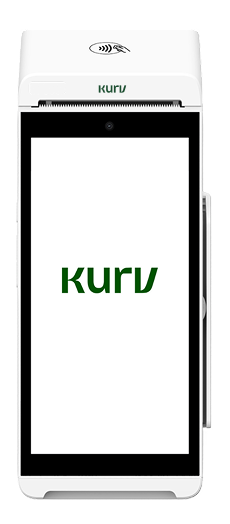
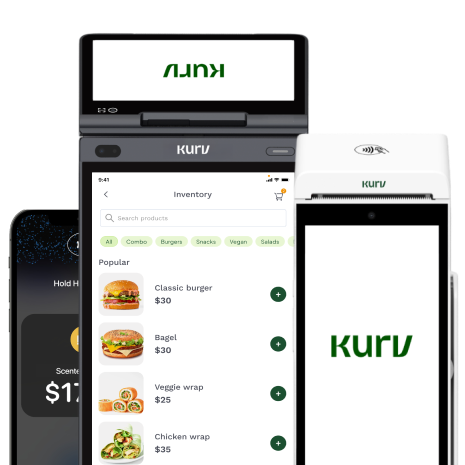




Everyone, including your customers, is on their phone these days. Sixty-nine percent of U.S. adults have used a digital wallet in the past month, and we can expect usage to keep climbing. If you’re a business, you need to meet customers where they are, and a mobile payment app lets you do just that.
A mobile payment app is the software you use on your phone or tablet to accept mobile payments. Depending on the solution, these payment apps can power Tap to Pay payments or connect to a mobile card reader. Most of them also offer tools such as invoicing, payment links, and QR codes.
There is no single best mobile payment app for every small business. The right choice depends on how you sell, the hardware you use, and the complexity of your payment workflow. Some businesses prioritize speed at checkout, while others need invoicing, recurring billing, or lower processing costs. Understanding these tradeoffs first makes it easier to compare the options in the table below.
Key Takeaways
- Mobile payment apps turn your phone or tablet into a flexible checkout tool, supporting Tap to Pay, readers, invoicing, and payment links.
- The best option depends on your setup — where you sell and how you accept payments will quickly narrow your choices down.
- Choose your acceptance method carefully (Tap to Pay, reader, terminal, or QR code) because it affects speed, cost, and customer experience.
- Pricing varies by model, so look beyond the advertised rate and account for fees, hardware, and chargebacks
Comparing the Best Mobile Payment Apps (At-a-Glance)
**The “Best for” column is the fastest way to narrow down which option fits your business.
| Provider | Pricing model | Core tools included | In-person options | Contactless / NFC | QR payments | Ease of setup | Support experience* | Best for |
| Square | Flat-rate | Invoicing, payment links, and virtual terminal | Yes | Yes | Yes | Fast | Strong | Small businesses that want an all-in-one, easy start |
| PayPal | Flat-rate | Invoicing, payment links, virtual terminal | Yes | Yes | Yes | Fast | Standard | Businesses already using PayPal for online + in-person |
| Stripe | Interchange-plus (custom) | Payment links, recurring billing, APIs (custom workflows) | Yes (requires Stripe Terminal setup) | Yes | Yes | More involved | Strong | Tech-savvy businesses that want flexibility and APIs |
| Toast | Custom (POS bundle) | POS order management, tipping workflows, handheld checkout | Yes | Yes | Depends | More involved | Strong | Restaurants needing industry-specific POS + mobile payments |
| Clover | Varies by reseller | Invoicing, virtual terminal, POS app marketplace | Yes | Yes | Depends | Medium | Varies | Cost-conscious businesses want transparent pricing |
| Helcim | Interchange-plus | Invoicing, recurring billing, and payment links | Yes | Yes | Yes | Fast | Strong | Cost-conscious businesses that want transparent pricing |
| SumUp | Flat-rate | Invoicing, payment links, receipts/refunds | Yes | Yes | Yes | Fast | Standard | Micro businesses and solo sellers |
| Stax | Subscription + interchange | Recurring billing, invoicing, advanced reporting | Yes | Yes | Yes | Medium | Strong | Growing businesses processing higher volumes |
| Kurv | Flat-rate | Invoicing, recurring billing, and customer portal | Yes | Yes | Yes | Fast | Strong | Small and growing businesses that want powerful payment tools without the complexity |
How to Choose the Best Mobile Payment App for Your Business
As you can see above, there are a lot of mobile payment apps in the market, and as a business, you have several factors to consider. Here’s how to zero in on the best one for your needs.
Step 1: Start with where you sell (your setup decision)
Your setup is the biggest driver of your decision; it determines which payment methods and apps will actually work for your business. Your selling environment shapes everything, from the type of hardware you need to how you get paid.
- Counter retail – If you have a cashier behind the counter, then you have more bells and whistles, including card readers and receipt printers. Choose a mobile payment app that supports these.
- Pop-ups/events – Sell at events? You need something portable. Tap to Pay solutions or a compact reader keep lines moving with minimal setup.
- At the customer’s location – If you’re a field services provider, you can take payments on-site with Tap to Pay or a mobile reader, then send invoices if needed.
- Restaurants/bars – Look for mobile payment solutions that support handheld devices for order taking, tipping flows, and table-side checkout.
- Mostly remote – If you don’t deal with in-person, customer-facing transactions, you can skip the hardware. Focus on invoicing, payment links, and a virtual terminal for card-not-present payments.
- Mixed / omnichannel-lite – Do you sell across multiple channels? You need flexibility. Choose a provider that supports multiple payment methods, including Tap to Pay, invoicing, QR codes, and more.
Step 2: Pick your acceptance method
How you accept payments affects your checkout flow, speed, and costs. Here’s what to consider.
- Tap to Pay (phone-only) – This is great for mobility because there’s no additional hardware required—just your phone. With North American mobile payments projected to reach $145 billion by 2030, adopting “phone-first” acceptance ensures your business is ready for the massive shift toward a contactless economy.
- Reader + App – Having a credit card reader and app combo is a solid choice for steady in-person volume, as Tap to Pay can be slower or less consistent in high-traffic settings. A reader + app gives you reliable card acceptance with your phone. Just make sure to stay on top of maintaining your hardware, charging, and keeping devices connected.
- Terminal/Handheld – This option is best for busy teams and higher throughput. It’s built for speed and for multiple staff with more complex workflows (e.g., restaurants). When choosing terminals and handheld devices, keep an eye out for upfront cost, setup time, and training.
- QR Codes: Taking payments via QR codes is ideal for self-serve checkouts or low-touch environments. Just some things to be mindful of: internet reliability, educating customers, and potential friction at checkout.
Also, confirm device compatibility, since Tap to Pay availability can vary by phone type and operating system.
Step 3: Decide which tools you actually need
Many merchants opt for mobile payment apps to keep their operations simple and lean. With that, you shouldn’t be paying for features you won’t use. Focus on the tools that match how you actually run your business.
Here’s a checklist of common capabilities offered by payment app providers. Only tick the ones you require in your business.
- Invoicing + payment links
- Recurring / subscriptions
- Virtual terminal
- Tipping
- Refunds/voids + receipts
- Reporting/exports
- Staff permissions
Step 4: Pricing clarity (what you’ll actually pay)
Mobile payment apps are relatively lighter compared to full-fledged POS systems with complex hardware and software. However, costs can still add up. Consider the following:
Payment Processor Pricing Models – Pricing isn’t one-size-fits-all. Some apps keep it simple with flat rates, while others pass through real card costs or charge a monthly fee. Knowing how each model works helps you estimate margins and avoid surprises as you scale. Here’s a refresher:
- Flat Rate – One fixed percentage per transaction, no matter the card type.
- Interchange-Plus – You pay the real card network cost (interchange) plus a small markup.
- Tiered – Transactions are grouped into tiers, such as “qualified” or “non-qualified,” each with different rates. Easier to read at a glance, but less transparent.
- Subscription – You pay the cost of interchange (no percentage markup) plus a monthly fee and a small per-transaction cost.
Hidden Fees – Fees can also appear in day-to-day operations, especially around disputes, refunds, and how payments are recorded. Consider:
- Chargeback fees
- Refund handling
- Hardware costs
- Keyed-in vs tap/swipe differences
- Contract terms (if any)
Step 5: Reliability, deposits, and support (the real-world stuff)
A good payments provider is about more than just low fees or polished features. Factors like uptime, deposit speed, and support quality also matter. So, don’t overlook:
- Deposits Timing and Cash Flow – Check when funds hit your account. Same-day or next-day deposits can improve cash flow, especially if you rely on daily sales.
- Offline Reality Check – Not all apps work the same way without an internet connection. Some store transactions to process later, while others stop completely. Know what still works before you need it.
- Support Channels and Plan Tiers – Look at how you get help and when. Phone, chat, hours, and priority support can vary a lot depending on your plan. Go with a provider that matches your preferred support channels.
Top Picks by Business Type
If you’ve read this far, you likely have a pretty good idea of what mobile payment apps to consider. But if you need a cheat sheet, the following framework is worth looking at.
If you’re a retail storefront
Prioritize:
- Speed at checkout and short lines
- Easy returns, refunds, and receipts
- A solid hardware ecosystem that scales with you
Start with: Square & Clover. Both scale well from a single register to multi-location setups, with inventory and reporting that won’t break as you grow.
If you sell at pop-ups/events
Prioritize:
- Portability and quick setup
- Contactless payments and Tap to Pay
- Simple receipts and minimal hardware!
Start with: Kurv, SumUp & Square. Their low-friction setup and minimal hardware make them easy to deploy quickly without committing to a full POS system.
If you do field services
Prioritize:
- Invoicing and payment links
- Virtual terminal for phone payments
- On-site payment capture with Tap to Pay or a reader
Start with: PayPal, Square & Stripe (if more online flow). These options are flexible enough to handle both on-site payments and follow-up billing, especially when you’re not collecting payment immediately.
If you run a bar/restaurant
Prioritize:
- Built-in tipping flows
- Handheld devices for tableside payments
- Speed and reliability during rush hours
Start with: Toast & Square. Purpose-built for hospitality workflows, where order flow, timing, and staff coordination matter as much as payments.
If you’re an invoice-heavy B2B merchant
Prioritize:
- Strong invoicing and payment links
- Virtual terminal for manual entry
- Recurring billing for repeat clients
Start with: Stripe & Helcim. Better suited for businesses where payments are tied to workflows (quotes, approvals, recurring billing), not just one-time transactions.
If you’re going contactless-first (NFC / Tap to Pay)
Prioritize:
- Tap to Pay support on phones
- Digital wallet acceptance (Apple Pay, Google Pay)
- Fast, phone-first checkout experience
Start with: Kurv & Square. Designed to reduce dependency on hardware, which keeps setup simpler and more flexible as you move between locations or teams.
Common Mistakes to Avoid
Here are some of the common mistakes merchants make when selecting a mobile payment app. These mistakes cost you time and money, so it’s worth getting ahead of them before you commit.
Choosing Based on the Lowest Advertised Rate Only
- Yes, cost-effective rates are great, but they shouldn’t be the only factor to consider when selecting a payments partner. A provider may advertise a certain rate, but when you factor in the pricing model and hidden fees, you may end up paying more. So, be very critical when evaluating rates, and if something seems too good to be true, it probably is.
Overbuying Hardware Before Confirming Workflow
- It’s tempting to get sophisticated hardware for your business, but if that equipment doesn’t support your actual checkout flow, then it just adds cost and friction without making things easier. With that in mind, take some time to really map out your payment workflows to determine what devices you truly need to serve customers and accept payments.
Not Testing Refunds, Receipts, Tipping, and Staff Permissions
- Payments aren’t just about card acceptance. Tipping, refunds, receipts, and staff permissions are all part of the day-to-day experience. These things should be just as seamless as checkout. As such, test these flows in advance and ensure your team can use them without slowing things down.
Ignoring Chargeback/Dispute Workflows Until It Hurts
- Disputes happen. What matters is how your provider handles them. Check how alerts come in, how you respond, and what support you get. A clunky process can cost you both revenue and time.
Assuming “Offline Mode” Works Like a Full POS
- Offline mode isn’t a safety net for everything. Some apps store transactions to process later (with risk if a payment is declined), while others stop accepting payments entirely or limit what you can do. If your connection drops, it’s good to know what works and what doesn’t.
Getting Started Checklist
Already have a mobile payment app in mind? Here are the steps you can take to get started.
What You’ll Need to Apply
- Legal business name, DBA (if any), and business address
- EIN/SSN (for identity and tax verification)
- Business type and industry (e.g., retail, services, restaurant)
- Owner details (name, DOB, address, ownership %)
- Bank account and routing number for deposits
- Average ticket size and monthly volume estimate
Setup Steps
- Download the app and create your account
- Verify your identity and connect your bank account
- Set up your products/services or a simple item list
- Configure receipts (logo, business info, email/SMS settings)
- Turn on taxes, tips, and basic settings
- Connect your acceptance method (Tap to Pay, reader, or terminal)
- Create a payment link or invoice template if you sell remotely
- Run a test transaction (charge, refund, receipt)
Go-live Tips
- Add signage for contactless and accepted payment types
- Train staff on checkout, refunds, and tipping flows
- Set a clear refund and return policy
- Check device readiness (battery, connectivity, backups)
- Monitor your first deposits to confirm timing
- Keep support info handy in case issues come up
Closing Remarks
There’s no universal “best” mobile payment app, and any list that names one is skipping the part that matters. The right choice comes down to where you sell, how your customers prefer to pay, and which tools you’ll actually use once the novelty wears off. Work through your setup first, pick your acceptance method second, and read the pricing model before you read the advertised rate. If you want one account that covers Tap to Pay, QR codes, payment links, and invoicing without stitching separate tools together, Kurv’s on-the-go payment solutions are built just for that.
Still unsure? See how Kurv can help
Start accepting payments instantly

Frequently Asked Questions
What is a mobile payment app for small businesses?
A mobile payment app is software that turns your phone or tablet into a payment acceptance device. You can take cards in person using Tap to Pay or on a card reader, and many apps also let you send invoices, payment links, and receipts. It’s a simpler, more flexible alternative to a traditional POS.
How do I accept credit cards on my phone (with or without a reader)?
You can accept cards directly on your phone using Tap to Pay, which lets customers tap their card or digital wallet on your device. If you prefer, you can connect a card reader via Bluetooth for swipe, dip, or tap payments. For remote transactions, you can also send a payment link or key in card details through a virtual terminal.
What’s the difference between Tap to Pay, NFC payments, and contactless payments?
Contactless payments are the broad term for tapping a card or phone instead of inserting it. NFC is the underlying technology that enables contactless. Tap to Pay is the feature that lets your phone accept those NFC-based payments without extra hardware.
Which payment app is best for accepting contactless payments?
Apps like Kurv are strong starting points because they support Tap to Pay on phones and accept major digital wallets. The best choice depends on your setup, but you’ll want something that supports NFC, works on your device, and fits your workflow.
When does QR code payment make sense for a small business?
QR payments work well in low-touch or self-serve environments, such as events, quick-service counters, or when you want customers to pay on their own devices. They’re less ideal in fast-paced checkouts where tapping a card is quicker.
What’s the best mobile payment app for service businesses?
Service businesses usually need a mix of on-site payments and remote billing. Apps like Square and PayPal are popular because they combine Tap to Pay, invoicing, and payment links. If you have more complex workflows or online components, Stripe can also be a good fit.
What’s the best online payment app for small businesses that invoice or take remote payments?
If most of your payments are made remotely, look for robust invoicing and payment link features. Stripe and Helcim stand out here, especially for recurring billing and virtual terminal use, while Square and PayPal offer simpler, easy-to-use options.
How much do mobile payment apps cost (and what fees should I watch for)?
Costs vary by pricing model, but most apps charge a per-transaction fee, either flat or interchange-plus. Beyond that, watch for fees tied to keyed-in transactions, chargebacks, refunds, hardware, and any monthly subscriptions. The lowest advertised rate isn’t always the cheapest overall.
Are mobile payment apps safe?
Yes, most reputable providers follow strict security standards, such as PCI compliance, and use encryption and tokenization to protect card data. As a merchant, you still need to follow best practices, like securing your devices and controlling staff access.
Do mobile payment apps work without the internet?
Some do, but with limits. Many apps offer an offline mode that stores transactions and processes them once you’re back online. That said, not all features work offline, and there’s some risk if a payment fails later, so it’s important to know exactly how your app handles it.

