







Merchant services are the tools and accounts a business needs to accept card payments. Whether you’re setting up card acceptance for the first time or reassessing your current provider, understanding how these services fit together can help you make better decisions about how you take payments.
This guide covers what merchant services include, how they work, what they typically cost, how security is handled, and what to consider when choosing a provider for your business.
Key Takeaways
- Merchant services are the services a business uses to accept and process credit and debit card transactions electronically.
- Merchant services begin when a customer taps, dips, or swipes their card and end when the funds are deposited into the merchant’s business bank account.
- A merchant services provider supplies the tools and services needed to accept payments, while a payment processor handles the transaction itself; a merchant account is where funds are held before being transferred to your business bank account.
- Some merchant services costs, such as interchange and card network fees, are non-negotiable, while processor markups, monthly charges, and other provider fees may be negotiable.
- When choosing a merchant services provider, look beyond advertised rates. Consider hidden or additional fees, how quickly you’ll receive your funds, and the quality and availability of customer support.
What Are Merchant Services?
Merchant services is a broad term that refers to the accounts, hardware, software, and processing relationships a business needs to accept and settle electronic payments. Rather than a single product or service, it’s an umbrella category that can include everything from payment processing and merchant accounts to point-of-sale (POS) systems, card readers, and online payment gateways.
So, what does merchant services mean in practice? It’s the combination of services and technology that enables a business to accept a customer’s payment and ultimately receive those funds in its bank account. The exact setup can vary depending on whether a business accepts payments in person, online, on the go, or across multiple channels.
Understanding what merchant services are also means understanding who provides them. That’s where merchant services providers come in.
What is a merchant services provider?
A merchant services provider (MSP) is a company that provides the accounts, tools, and support a business needs to accept electronic payments. It’s different from a card network, such as Visa or Mastercard, or the bank that issues a customer’s card.
MSPs can include banks that offer merchant services directly, independent sales organizations (ISOs) that partner with processors or acquiring banks, and payment facilitators that enable businesses to accept payments through a shared merchant account.
Merchant services vs. payment processing vs. merchant account
While these terms are closely related, they refer to different parts of accepting payments:
| What it is | What it does | Who provides it | |
| Merchant services | The full category of payment services | Gives businesses the tools and services needed to accept payments | Merchant services providers |
| Payment processing | A function within merchant services | Handles payment transactions between the customer, merchant, and financial institutions | Payment processors |
| Merchant account | A specific type of account | Holds funds from card transactions before they’re transferred to the business bank account | Acquiring banks or merchant services providers |
In short, merchant services is the umbrella category, payment processing handles the transaction, and the merchant account is where funds settle. Learn more about merchant services vs. payment processing and merchant accounts in our guides.
How Do Merchant Services Work?
Merchant services connect your business to the financial systems needed to process a customer’s card payment and deposit it into your account. The process generally happens in three stages:
- Authorization: When a customer taps, dips, or swipes their card, the transaction is sent through the payment network for approval, typically within seconds.
- Clearing and batching: Approved transactions are grouped and sent to the appropriate card networks and issuing banks for processing.
- Settlement: Funds are transferred to the merchant and typically become available within 1 to 3 business days.
Merchant services apply to electronic payments, not cash transactions. So, what services and tools are actually included in a merchant services setup?
What’s Included in Merchant Services?
What’s included in merchant services depends on where and how your business sells. Your setup may combine a merchant account with different payment methods, hardware, software, and online payment tools.
Payment acceptance methods
Merchant services can support a range of ways for customers to pay:
- Credit and debit cards: Accept major card brands in person or online.
- Contactless payments and mobile wallets: Let customers tap a card, phone, or smartwatch to pay.
- ACH payments: Accept direct bank-to-bank payments through the ACH network.
- QR code payments: Allow customers to scan a QR code and complete their payment from a mobile device.
- Text-to-pay: Send customers a secure payment link via text so they can pay remotely.
Hardware and software
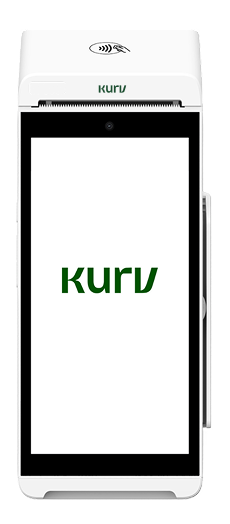
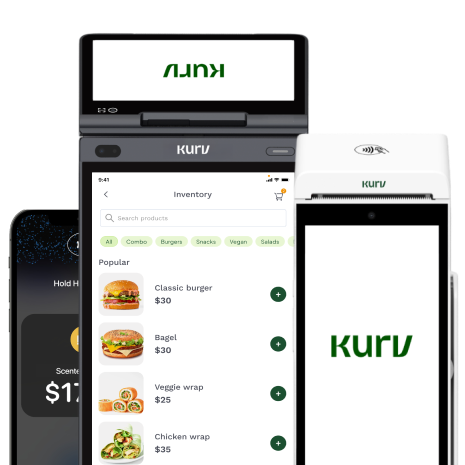
Merchant services can provide the hardware and software to facilitate payment acceptance. These can include countertop or all-in-one terminals, handheld smart terminals, mobile card readers, POS software, payment gateways, and virtual terminals.
Dedicated hardware isn’t always necessary. Many providers offer a mobile POS app that can turn a smartphone into a POS system for accepting and managing payments.
Accepting payments in person and online
With the right provider, a single merchant account can cover both in-person and online sales, so you don’t need a separate setup for each channel. An omnichannel setup like this typically provides a single dashboard for managing sales, unified reporting across channels, and a single settlement account that consolidates funds from both online and in-store transactions.
Supporting both channels is increasingly important as eCommerce continues to account for a larger share of retail spending. Ecommerce sales now represent roughly 17.1% of all U.S. retail sales, up from less than 10% a decade ago, according to U.S. Census Bureau data.
For businesses that sell both online and in-store, having merchant services that support both channels can make payments and reporting easier to manage.
Recurring billing and invoicing
Merchant services can also support subscriptions, recurring billing, and invoicing. Businesses can securely store payment credentials for recurring payments or send invoices that customers can pay electronically. For recurring customers, payments can be set up once and processed automatically on a predetermined schedule, creating a more hands-off billing process.
Are Merchant Services Secure?
Merchant services are secure when your provider is PCI DSS compliant and uses safeguards such as encryption and tokenization. PCI DSS (the Payment Card Industry Data Security Standard) sets the security rules that any business that stores, handles, or transmits cardholder data must follow. Compliance isn’t optional. Any business that accepts card payments is required to comply with PCI DSS standards, and providers must maintain compliance to operate. Several technologies help protect payments:
- Encryption makes card data unreadable as it moves through the payment system.
- Tokenization replaces sensitive card information with a token that has no usable card data.
- EMV chip technology helps protect card-present transactions and reduce the usefulness of stolen payment data.
- 3D Secure adds an authentication layer to online card payments.
Your provider is responsible for securing the payment infrastructure it operates, but merchants also have responsibilities, such as using secure systems, protecting account access, and complying with applicable PCI requirements. With security covered, the next consideration is what merchant services cost.
How Much Do Merchant Services Cost?
Credit card processing fees typically range from 1.5% to 3.5% of each transaction. However, your actual merchant services costs depend on factors such as your provider, card type, transaction method, and pricing model.
These costs generally fall into two categories. The card networks set interchange and assessment fees, and they are generally non-negotiable, while processor markups, monthly fees, and ancillary charges can vary by provider and may be negotiable.
Providers typically use one of three pricing models:
- Interchange-plus: You pay the underlying interchange rate plus a disclosed processor markup.
- Flat-rate: You pay the same predetermined rate for transactions of a given type.
- Tiered: Transactions are grouped into pricing tiers, with different rates depending on how each transaction is classified.
Because pricing can vary significantly between providers, it’s important to look beyond the advertised rate when choosing a merchant services provider.
How to Choose a Merchant Services Provider
Whether you’re switching merchant providers or searching for your very first one, choosing the right provider affects more than just your rates. The one you pick shapes your processing costs, how quickly you get paid, and how smoothly payments run day to day. Here’s what to weigh before you decide:
Questions to ask before you choose
- How and where will you accept payments? Consider whether you sell in person, online, on the go, or across multiple channels.
- What payment types do you need to support? Think about credit and debit cards, contactless payments, ACH, and other methods you may need as you grow.
- What hardware and software do you actually need? Depending on your setup, this could range from a simple card reader to a complete POS system or payment gateway.
- Do you need a dedicated merchant account or will an aggregator work? Consider how much control, customization, and flexibility your business requires.
- What pricing structure fits your volume and margins? Compare processing rates as well as monthly, hardware, and other potential fees.
- How fast do you need funding? Check how long it typically takes for processed payments to reach your business bank account.
- What support do you get when something breaks? Look at support hours, available channels, and how quickly you can reach someone when payment issues arise.
Answering these questions will give you a clearer picture of what you need and make it easier to compare providers on the factors that matter most to your business.
Red flags to watch for
As you compare merchant services providers, look closely at contract terms, pricing, equipment costs, and support. Potential red flags to check for include:
- Long-term contracts with early termination fees, that make it costly to switch providers.
- Tiered pricing with a low headline rate that may not reflect what you’ll pay for most transactions.
- Vague or undisclosed fees, that make it difficult to determine your total processing costs.
- Limited customer support, such as an email-only service or no clear escalation path for urgent issues.
Before signing an agreement, make sure you understand the full fee schedule, contract terms, and level of support you’ll receive.
Final Thoughts
Merchant services isn’t a single product, but a category of accounts, technology, and services that enable businesses to accept electronic payments. The right setup ultimately depends on how and where you sell, the payment methods you accept, and your operational needs.
When comparing providers, pay particular attention to total cost transparency and funding speed. Understanding exactly what you’ll pay and when your money will reach your account can help you choose a setup that works for your business over the long term. Kurv offers merchant services for businesses looking for a straightforward way to accept and manage payments.
Ready to Grow Your Business?
Apply and start accepting payments within a day

Frequently Asked Questions
What do merchant services do?
Merchant services enable a business to accept and process electronic payments from customers. They connect the tools used to take a payment with the financial systems that authorize the transaction and transfer funds to the merchant.
What is a merchant services account?
A merchant services account, or merchant account, is a specialized account used to receive funds from processed card transactions before they’re transferred to your business bank account. Unlike a standard business bank account, it’s specifically designed to facilitate electronic payment processing.
What is the average merchant service fee?
Most businesses pay an all-in rate of 1.5% to 3.5% per transaction. What you actually pay depends on the card type, how the payment is accepted, your provider, and whether your pricing is interchange-plus, flat-rate, or tiered.
How do I apply for merchant services as a new business?
To set up merchant services, you’ll typically need to provide basic information about your business, its owners, your expected transaction volume, and the products or services you sell. Providers may also request identification, business banking information, and financial documents as part of underwriting. Requirements vary depending on the provider and type of merchant account.
Do I need special equipment to accept payments?
Not necessarily. For simple in-person transactions, a compatible smartphone with Tap-to-Pay may allow you to accept contactless payments without a separate card reader. Other in-person setups may require a card reader or POS terminal, while online businesses typically need a payment gateway or eCommerce checkout integration.
Can I use merchant services for both in-person and online sales?
Yes. Many merchant services providers can support both in-person and online payments through one provider and account, allowing you to manage transactions and reporting across sales channels.
Can merchant services handle recurring billing and subscriptions?
Yes. Merchant services can support recurring billing through tools such as virtual terminals, automated invoicing, and secure storage of payment credentials. This allows businesses to charge customers automatically on a predetermined billing schedule.

