








According to Juniper Research, the value of virtual card transactions is projected to reach $175 billion by 2028, driven by the rapid adoption of these digital credit cards for their convenience, speed, and security. [1] Juniper Research. Virtual Cards Market Statistics 2023-2028. Accessed January 27, 2026.
But what exactly are virtual card payments, and how do you use them? In this guide, we’ll provide everything you need to know about virtual card payments.
Key Takeaways
- Virtual card payments use digitally generated card details to pay online or in person.
- Virtual cards use dynamic, tokenized card data that changes with each transaction.
- Virtual cards offer greater security and convenience for customers, while businesses experience fewer compromised card details.
- Merchants need a payment processor that supports virtual cards, including tokenization, virtual terminals, and NFC-enabled hardware.
What Are Virtual Card Payments?
A virtual card payment is a payment method that uses a digital version of a traditional credit card with a randomly generated card number to complete a specific transaction. Instead of using the same card number for each transaction, most virtual cards generate a unique 16-digit number with its own security code, expiration date, and spending limit, either per transaction or per merchant.
Single-use card numbers and other temporary card data significantly reduce the amount of sensitive card data exposed in the event of a data breach and other cyber incidents.
Not all virtual cards are disposable; some have temporary card numbers, while others are multi-use and can be reused for multiple transactions. Unlike digital wallets such as Apple Pay, which link to a physical card, single-use virtual cards are issued with a unique, randomly generated number for each transaction, providing an extra layer of security for both the customer and the merchant. Because virtual cards are issued by banks and card networks, they function like traditional credit or debit cards at checkout and can be accepted through standard credit card processing systems.
Virtual vs Physical Card Payments
The most obvious difference between a physical credit card and a virtual card is that one is a tangible physical card, whereas the other is an electronic version that can be conveniently generated in minutes and used instantly.
Also, virtual credit card payment processing ensures the merchant never sees the customer’s primary financial information. Instead of the typical permanent credit card data, merchants see a secondary 16-digit number or a unique transaction token.
How Virtual Card Payments Work
Here is the breakdown in four simple steps:
Step 1: Customer Generates or Selects a Virtual Card
- Most banks and major credit card companies offer virtual cards, and once approved, users can set parameters such as spending limits, usage categories, and an expiration date. The approved card can be a virtual credit card linked to a bank account with an established line of credit or a virtual debit card that pulls funds from the attached bank account. There are also prepaid virtual cards loaded with a fixed amount that cannot be exceeded during the predetermined lifespan of the card.
Step 2: Customer Uses the Virtual Card to Pay
- The customer will simply enter their virtual card details at checkout when making an online purchase, or pay via a payment link for invoices. For in-person payments, customers can tap their phone at an NFC-enabled terminal, but only if their virtual card is stored in a digital wallet. This lets the virtual card function like a contactless payment method while keeping the customer’s real card information secure.
Step 3: Your Payment Processor Handles Authorization
- Once the payment is submitted, the payment processor will send the transaction for authorization through the card network. The issuing bank will verify the card number, check available funds or credit, and approve or decline the transaction, just like they would for any other card transaction.
Step 4: Settlement and Payout Into Your Business Bank Account
- After authorization, the transaction settles according to the payment processor’s payout schedule. Funds are deposited into your business bank account, typically within one to two business days.
Where Customers Use Virtual Cards
Customers can use virtual cards across multiple sales channels. Consider the following.
Online Stores and eCommerce Checkouts
When shopping online, customers can choose a credit card as their payment method and enter their virtual card details.
Invoices, Pay-by-Link, and Virtual Terminals
Invoices, payment links, and virtual terminals typically link to a payment portal where customers (or merchants) can enter card details to complete a transaction. As such, if a customer wants to pay with a virtual card, they can simply enter the payment info on the portal or provide the card to the merchant.
In-Person Payments via Digital Wallets
Customers can add their virtual card to their digital wallet and use their mobile device to pay for products or services.
Practical Use Cases by Business Type
Virtual cards are well-suited for industries such as travel agencies using them for hotel bookings, marketing companies managing ad spend, and healthcare firms for supplier payments. These examples highlight how different businesses can benefit from virtual card payments in real-world situations.
| Business Type | Core Pain Point | The Virtual Card Solution |
| eCommerce Brands | Cart abandonment & high fraud | Tokenized virtual cards enable one-click wallet checkouts, reduce exposed card data, and improve authorization accuracy. |
| SaaS & Subscriptions | Involuntary churn from expired or reissued cards | When supported, network tokens can update card data automatically in the background. |
| Professional Services | Late payments & manual invoicing | Secure Pay-by-Link and Card-on-File payment options for recurring retainers. |
| Trades & Field Work | Chasing payments after the job | Mobile Tap to Pay and virtual terminals for instant on-site settlement. |
Why Accept Virtual Card Payments? Benefits for Business Owners
Virtual card payments enable merchants to unlock a number of benefits, including:
Meet Customer Expectations and Reduce Friction
Many people prefer to pay with virtual cards, so accepting this payment method means you are meeting customers where they’re at. When payments are easy, customers are more likely to complete purchases.
Lower Fraud Risk vs Exposed Card Numbers
Because virtual cards do not reveal the customer’s actual card number, there is less exposure of reusable credentials. All transaction information is tokenized, reducing the risk of sensitive data being compromised.
Easier Customer Experience for Subscriptions and On-File Payments
For businesses with recurring revenue, failed renewals due to expired cards are a major source of involuntary customer churn.
Virtual cards can be updated automatically at each renewal when supported by the card network and issuer, even if the physical card is replaced. This reduces the need to contact customers about expired or changed cards.
Faster Collection Compared to Checks or Bank Transfers
Virtual card payments settle faster compared to bank transfers or checks. And because transactions are approved or declined on the spot, you don’t have to chase late payments.
Limitations and When Virtual Cards May Not Be Ideal
Virtual cards aren’t always a perfect fit, and below are instances where a business may not feel pressured to support virtual card payments.
Customer Adoption Is Still Mixed in Some Demographics
While younger customers are often more comfortable with digital payments, some still prefer physical cards, just as many older customers continue to favor plastic cards or checks.
Higher Fees vs Bank Transfers for Large Invoices
For large payment amounts (think: B2B enterprise invoices or professional services), card payments, virtual or physical, can be significant. In these instances, payment methods like ACH may offer more cost-effective fees.
Operational Complexity if You Use Multiple Providers
If your payment processing tech stack is a mishmash of multiple platforms from different providers, the complexity of managing different logins and support numbers can outweigh the benefits of adding virtual payments to your payment options.
Costs, Fees, and Settlement for Virtual Card Payments
Virtual card payments are still considered credit cards, so they would follow the same card processing fees and pricing models as credit cards. They would also include interchange fees, network fees, and processor markup. Specific fees will be determined by the card type, transaction method, and risk profile.
Settlement Times and Cash Flow Impact
Virtual card payments are typically settled within one to two business days, depending on your provider and risk profile.
Risk, Fraud, and Chargebacks With Virtual Card Payments
The risks of accepting virtual credit cards are the same as with virtually any type of card. Such risks include: Card-Not-Present (CNP) fraud, friendly fraud, chargebacks, and disputes. That said, virtual payment cards do have a leg up in terms of security.
Security Advantages of Virtual Cards
Virtual cards offer several structural security improvements that physical cards simply cannot match. These include:
- Dynamic credentials
- Network tokenization
- Spending controls
- Fewer account freezes
- Instant revocation
Best Practices to Protect Your Business
You can strengthen your security when accepting virtual card payments by applying the following best practices:
- Implement 3D Secure (3DS) where supported and appropriate
- Enforce strict AVS and CVV matching
- Monitor for velocity triggers
- Maintain detailed digital logs
How to Start Accepting Virtual Card Payments in Your Business
You don’t have to upend your existing payment ecosystem to start accepting virtual payments. All you need to do is follow the step-by-step process laid out below to smoothly integrate the payment method.
Step 1: Check What Your Current Payment Provider Supports
Check if your payment processor supports the hardware and software required for virtual card payments. These include:
- NFC-enabled Hardware
- Tokenization
- Virtual Terminal
Step 2: Enable Virtual Card–Friendly Payment Methods
Enable the specific payment “rails”. For B2C transactions, this could mean enabling digital wallets since these are where virtual payments are typically stored. For B2B payments, ensure your gateway is set up to accept Single-Use Accounts (SUA).
Step 3: Configure Fraud and Security Settings
Adjust your fraud settings to support virtual card payments. You may need to calibrate your Address Verification (AVS), as the virtual card’s billing address may be the card issuer’s headquarters rather than the customer’s home.
Also, see if you should adjust your velocity checks. For instance, a customer might generate five virtual cards for five small purchases, which your system might flag as suspicious.
Step 4: Add Clear Messaging for Customers
Use simple, confident language at checkout and on invoices that explains which payment methods you accept (wallets, virtual cards, Tap to Pay).
When dealing with repeat or on-file payments, it is even more crucial to be open and transparent. You should let your clients know that their payment information is stored securely and automatically updated whenever possible.
Step 5: Train Staff on Handling Virtual Card Payments
Ensure your staff fully understands how virtual card payments work. Educate them on what virtual cards are and how they’re different from traditional cards. They should also be aware that some virtual cards expire quickly, depending on issuer rules, so your team must process them immediately upon receipt.
Ready to Grow Your Business?
Apply and start accepting payments within a day

How Kurv Helps Businesses Accept Virtual Card Payments
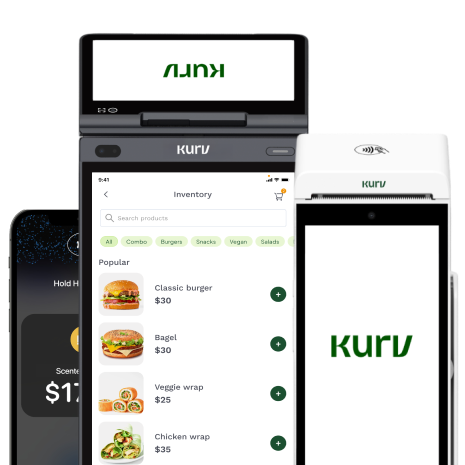
Kurv lets you meet your customers where they are and give them the flexibility to pay with any method they choose, including virtual payment cards. If they’re shopping in person and want to use the virtual card in their digital wallet, Kurv’s hardware solutions support NFC-enabled terminals, so customers can Tap to Pay quickly and securely. And for card-not-present transactions, Kurv supports virtual terminals, pay-by-links, and invoicing tools, making it easy to accept virtual cards online or remotely. Learn more about Kurv’s payment solutions.
Frequently Asked Questions
How do I process a virtual card payment?
You would process a virtual payment card as you would any credit card transaction. The customer provides the virtual card details at checkout, either by entering them online, paying through an invoice or payment link, or tapping their phone in person using a digital wallet. Your payment processor handles authorization, settlement, and funding just as it would for any other card payment.
Do I need special equipment to accept virtual card payments?
For in-person transactions, you would need hardware that supports digital wallets, as these are where virtual cards are typically stored. For online or remote transactions, having a virtual terminal that supports this payment type is a must.
Can customers use virtual cards in my physical store?
Yes. They can store the virtual card in their digital wallet and use it to pay in person.
Are virtual card payments safe for my business?
Yes. Virtual card payments use tokenization and dynamic card details to reduce fraud and limit exposed card data.
How do I accept a virtual card payment on an invoice?
You can include a payment link on your invoice, which directs customers to a payment portal where they can enter their card details.
Do virtual card payments cost more in fees than regular cards?
No. Virtual cards follow standard card pricing based on card type and transaction method.
How long do virtual card payments take to reach my bank account? Can I refund a virtual card payment?
Typically, one to two business days. Refunds work the same as standard card payments.
What happens if a virtual card has already expired or reached its limit?
The payment is declined, and the customer must generate a new virtual card.
Can I store a virtual card on file for future payments?
Yes, if supported. Network tokenization keeps cards up to date for recurring payments.
