







To say that the world has “gone digital” would be an understatement. Digital tools are baked into our everyday lives. From shopping to social media to health tracking, we use apps and devices to manage so much of what we do every day.
Another key area that’s gone heavily digital? Banking and finance. The days of cash-only and paper checks are fading fast, as consumers opt to use credit cards and their mobile devices to pay for purchases.
Case in point: digital wallets. According to Juniper Research, over 5.3 billion adults, or nearly two-thirds of the world’s population, are expected to be using digital wallets by 2026, and the number of global users is projected to grow to more than 6 billion by 2030. [1] Juniper Research. “Digital Wallet Users to Surpass Three Quarters of Global Population by 2030.” Accessed December 22, 2025.
Digital wallets are here to stay, and in this article, we’ll cover what digital wallets actually are, how they work, and why they matter for businesses and consumers today.
Key Takeaways
- Digital wallets are exactly what they sound like: they’re the electronic counterparts of physical wallets, and consumers can use them to store and retrieve the digital versions of their credit cards, tickets, passes, etc.
- Mobile digital wallets like Apple Pay use Near Field Communication (NFC) technology, which enables secure transactions at very short distances (i.e., a few centimeters).
- There are three types of digital wallets: device-based (e.g., Apple Pay, Google Pay), app-based (e.g., PayPal, Venmo, Cash App), and closed-loop (e.g., Starbucks, Amazon).
- To accept these payment types, you need a payment provider that supports digital wallets; your business should also be equipped with hardware that supports NFC technology.
What is a Digital Wallet?
A digital wallet is a secure app that stores credit cards, debit cards, and other documents, so customers can easily retrieve and use them online, in apps, or in person.
It also functions very much like an actual wallet: you use it to store payment cards, IDs, and travel passes in one place, for easy access when you need them. But instead of papers and physical cards, everything is digital.
Why Do Digital Wallets Matter for Merchants Right Now?
Customers expect convenience, speed, and flexibility. Accepting digital wallets as a payment method makes it possible for shoppers to pay with their preferred card (e.g., a specific credit or debit card) on the device they already use (their phone).
For merchants, that often means higher conversion rates, smoother in-store experiences, and fewer abandoned carts.
How Does a Digital Wallet Work?
Digital wallets make transactions quick and effortless for everyone: the customer brings out their phone and uses it to pay for products or services. This all happens in a matter of seconds, but there are some sophisticated steps happening behind the scenes. Let’s take a look:
Core Technologies Enabling Digital Wallet Payments
Digital wallets work because several technologies come together behind the scenes:
- Near Field Communication (NFC): NFC is the tech behind Tap to Pay; it enables devices to securely transmit data over short distances.
- User authentication: The mobile wallet verifies a person’s identity using biometrics, passcodes, or device verification.
- Tokenization: The system replaces real card details with a secure, one-time token so sensitive data is never transmitted.
Step-by-Step Flow of a Digital Wallet Payment
A typical digital wallet payment follows a simple, secure flow:
- The customer selects a digital wallet at checkout.
- The wallet prompts authentication using Face ID, a fingerprint, or a passcode.
- Once approved, the wallet creates a token instead of sending real card details.
- The token is sent to the payment processor and routed through the card network or bank, just like with traditional credit card processing.
- The bank authorizes the transaction and sends a response in seconds.
- The merchant receives confirmation and completes the sale.
Types of Digital Wallets Businesses Should Know
Digital wallets come in different forms, and each one supports different payment experiences and customer behaviors. Consider the following;
Device-Based Wallets
Device-based wallets are built directly into the user’s smartphone or watch. They store payment details securely and allow customers to use them in any setting that supports their digital wallet and device. Some common examples are Apple Pay and Google Pay.
App-Based Wallets
App-based wallets live inside standalone apps and often support more than just payments. Customers can store balances, send money to others, and pay online or in apps. These wallets are popular for peer-to-peer payments and eCommerce checkout; examples include PayPal, Venmo, and Cash App.
Closed-Loop Wallets
Closed-loop wallets are tied to a specific brand, and can only be used within said brand’s ecosystem (hence the term “closed-loop”). Customers can store value, earn rewards, and pay only within that company’s network. For businesses, they help drive repeat purchases and build stronger customer loyalty. A couple examples of frequently used closed-loop wallets include Starbucks and Amazon.
| Type of Digital Wallet | How It Works | Where It’s Used | Common Examples | Why It Matters for Businesses |
| Device-Based Wallets | Built into smartphones or wearables and secured by the device | In-store, online, and in apps | Apple Pay, Google Pay | Enables fast, contactless checkout and works well for mobile-first customers |
| App-Based Wallets | Lives inside a standalone app and often stores balances or supports P2P payments | Online and in apps | PayPal, Venmo, Cash App | Expands payment options and supports eCommerce and peer-to-peer use cases |
| Closed-Loop Wallets | Tied to a specific brand or ecosystem | Only within that brand’s environment | Starbucks, Amazon | Drives repeat purchases, loyalty, and stored value within a single brand |
Benefits of Accepting Digital Wallets for Businesses
Merchants that accept digital wallets see benefits in the form of faster checkouts and happier customers. Let’s take a closer look at how digital wallets can be a boon to businesses.
Faster Checkout
- Because there’s no need to physically take out a wallet and swipe or tap a card, customers can get through checkout faster. That speed matters, especially during peak hours or busy seasons.
Improved Security
- Digital wallets come with multiple layers of security. There’s tokenization, which replaces real card numbers with a secure token, and built-in authentication features, like biometrics or passcodes that confirm the customer’s identity before payment. On top of that, transactions are encrypted in transit and protected through tokenization, reducing the risk of exposed payment data.
Better Customer Experience
- Digital wallets enable customers to breeze through checkout. There’s no fumbling for credit cards if they’re shopping in person, and there are fewer forms (if any) to fill out if they’re shopping online. All of that creates a better customer experience, and shoppers are much more likely to return.
Support for All Channels
- Digital wallets work across in-store, online, and in-app checkouts. Customers can shop with you across multiple channels, so you never miss a sale, no matter where shoppers are when they choose to buy.
Risks and Limitations Businesses Should Understand
While the benefits of accepting digital wallets outweigh their risks or limitations, those downsides do exist. Here’s what to be mindful of.
Not All Wallets Work on All Terminals
Depending on your hardware setup, you and your customers might run into compatibility issues. This sometimes leads to less-than-stellar experiences. A customer might select Tap to Pay only to find that the terminal doesn’t recognize their wallet, which can kill momentum at the checkout.
Digital Wallet Payments Still Follow Card Network Rules
The credit and debit cards inside your customer’s wallet function the same way as physical cards. They follow the same card network rules, so things like interchange fees, network liability rules, and dispute processes still apply even if the device in hand looks different.
Wallet Adoption Depends on Customer Demographics
Digital wallet users tend to skew younger, with adoption rates highest among adults under 40 and especially Gen Z and millennial shoppers. [2] The Financial Brand. “How Consumers Under 40 Are Driving Radical Transformations in Payments.” Accessed December 22, 2025.
Security Misconceptions
Digital wallets have strong authentication features. As mentioned earlier, they protect card numbers through tokenization, and they also offer device-level security, such as biometrics and passcodes. However, they don’t protect your business from chargebacks or mistakes in payments, since they follow the same processing rules as traditional credit card payments. You still need strong fraud monitoring and clear refund policies, just as you do with any other payment method.
How Businesses Can Start Accepting Digital Wallet Payments
Ready to start accepting digital wallet payments? Getting up and running depends on where and how you’re selling. Here’s what to consider:
Requirements for In-Person Acceptance
If you’re accepting digital wallet payments in person, you’ll need these components:
- NFC-enabled terminal: Since in-person digital wallets are powered by NFC, your payment terminals need Near Field Communication technology.
- Updated POS system: Your point of sale system needs to integrate with your NFC-enabled payment system. This ensures that you can ring up sales efficiently and accept mobile wallets with ease.
- Staff training: Train your staff on how Tap to Pay works. Also, make sure they’re knowledgeable enough to help customers if something doesn’t go through.
- Digital signage to show acceptance: Most modern customers will expect mobile wallet acceptance, but it never hurts to clearly show which wallets you accept at checkout or on the door.
Requirements for Online Acceptance
If you’re accepting payments through your online store (desktop and/or mobile), these are some of the must-haves for digital wallet acceptance:
- Payment gateway compatibility: Your payment gateway must support digital wallets and work seamlessly with your eCommerce platform.
- Enable wallet buttons (Apple Pay/Google Pay/PayPal): If your website is equipped to accept mobile wallets, add wallet buttons to checkout so customers can see that they can pay with a tap instead of filling out forms.
- Checkout UX guidelines: Design your checkout flow in such a way that it reduces hoops to jump through. Keep checkout simple and mobile-friendly so wallet payments feel fast and intuitive.
Integrating Digital Wallets Into Mobile Apps
Got your own mobile app? Here’s what to consider if you want to accept mobile wallet payments:
- SDK / API availability: Use wallet-ready SDKs or APIs so payments work smoothly without custom workarounds.
- Biometrics: Your app should support wallet-based authentication via native SDKs and let customers approve payments with Face ID or a fingerprint.
- Fast-checkout functionality: Just like with eCommerce, see to it that your checkout flow is fast and smooth. Also consider saving payment details for future purchases.
What Industries Benefit Most from Digital Wallet Adoption?
Digital wallets benefit several industries, and these are the ones that stand out the most.
Retail and Quick-Service Restaurants
- Retail stores and QSRs thrive on speedy checkouts. Customers at these establishments expect quick, low-friction payments, and digital wallets help to move lines faster.
Professional Services
- Pro services like law offices and CPAs can also benefit from digital wallets. That’s because they make it easier for clients to pay invoices on the spot, reducing follow-ups and shortening the time between billing and payment.
eCommerce and DTC Brands
- Direct-to-consumer and eCommerce brands face a ton of competition. If you’re operating in this landscape, speed and convenience are table stakes. To that end, digital wallets can reduce checkout friction and improve conversion rates.
Transportation, Travel, and Ticketing
- Travel, transportation, and ticketing rely on quick, mobile-friendly payments. Digital wallets let people pay and move on without pulling out a card or ticket. In environments where people need to board transportation or enter venues, that seamless experience is a must.
Costs Associated with Accepting Digital Wallet Payments
Just like when you accept other payments that aren’t cash, digital wallet payments come with certain costs. Here’s a look at those expenses.
Payment Processing Fees Explained
The cards in your customers’ digital wallets are subject to the same credit card processing fees as those used in their physical counterparts. Such fees include:
- Credit card interchange fees
- Processor markups
- Card network assessment fees
- Cross-border or currency conversion fees, when applicable
- Chargeback and dispute fees
Hardware and Technology Costs
You might need to upgrade or purchase new hardware to accept digital wallet payments. Depending on your setup, you’ll want to consider:
- NFC-enabled terminals or credit card readers that support Tap to Pay
- Software costs: Some wallets require updated POS software or gateway integrations
- Ongoing costs tied to software updates, device replacements, or security compliance
Digital Wallet Security for Businesses
Payments and security will always be intertwined. After all, every transaction involves sensitive customer information that needs to be protected. Let’s explore how digital wallet security works for businesses.
How Tokenization Protects Merchants
- When someone pays with a digital wallet, the system uses tokenization to replace a customer’s actual card number with a secure, one-time token. That way, sensitive card data never touches your systems, which lowers exposure and reduces the risk tied to storing or transmitting payment information.
Biometrics and Authentication
- Digital wallets add an extra layer of protection by verifying the customer before payment. Biometrics like fingerprints or facial recognition make sure the person holding the device is the one authorized to pay, helping stop fraud before it starts.
PCI Compliance Considerations
- Because digital wallets use tokenization, less card data flows through your systems. This can simplify parts of PCI compliance, in that there’s less sensitive data to be handled in your business.
Comparing Digital Wallet Payments to Other Payment Methods
Digital wallet payments function differently from payment methods like physical cards and bank transfers. Here’s how each method stacks up.
Digital Wallets vs Credit/Debit Cards
Both digital wallets and physical credit or debit cards run on the same card rails, meaning merchant fees, processing rules, and chargeback exposure are largely the same. What’s distinct about digital wallets is that the cards stored in them are tokenized and tied to the customer’s device, which helps speed up checkout and improve security, especially for contactless and mobile payments.
Digital Wallets vs Bank Transfers (ACH)
Bank transfers, like ACH, move money from one bank account to another, while digital wallets rely on stored credit or debit cards to authorize payments. Bank transfers work well for larger payments or recurring billing, but they’re slower and less intuitive at checkout. Digital wallets are built for speed and convenience, as they support instant authorization and let merchants ring up sales on the spot.
Digital Wallets vs Buy Now Pay Later
The cards used in digital wallets are still powered by traditional banks and card networks. Meanwhile, BNPL is powered by modern fintech companies like Klarna and Afterpay. Additionally, while digital wallets use revolving credit tied to existing cards, BNPL splits purchases into fixed installment payments.
| Payment Method | How It Works | Speed at Checkout | Fees & Rules | Best Use Cases |
| Digital Wallets | Uses tokenized credit or debit cards stored on a customer’s device and authorized with biometrics or a passcode | Very fast; tap, scan, or click to pay | Same card network fees and rules as physical cards | Mobile checkout, in-store Tap to Pay, fast eCommerce transactions |
| Credit/Debit Cards | Physical cards processed through card networks | Fast, but slower than wallets due to swiping, dipping, or manual entry | Standard interchange, assessments, and processor fees | In-store payments, customers who prefer physical cards |
| Bank Transfers (ACH) | Moves funds directly from one bank account to another | Slow; not built for instant checkout | Lower fees, different settlement rules | Large payments, recurring billing, B2B transactions |
| Buy Now Pay Later (BNPL) | Third-party fintech providers split purchases into installments | Slower than wallets due to extra steps and approvals | Higher merchant fees, additional rules | Higher-ticket items, customers who want payment flexibility |
Bottom Line: Are Digital Wallets Worth It for Your Business?
Digital wallets are now an expected payment option, especially among younger shoppers. Not offering them can limit your appeal at checkout and influence where customers choose to spend. Accepting digital wallets at your business helps you meet expectations and keep your payment experience competitive.
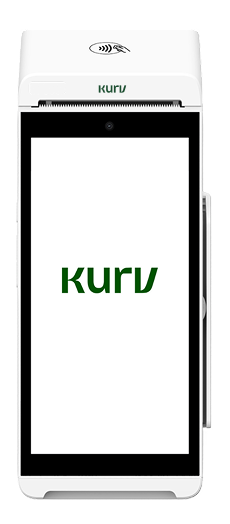
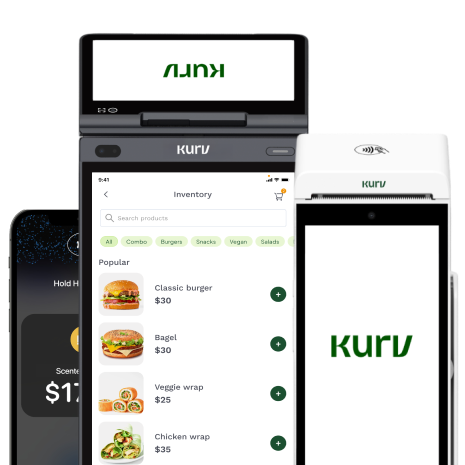
Kurv’s payment solutions help businesses accept digital wallets, Tap to Pay, and other contactless payments with fast setup, secure technology, and hardware that fits how you actually operate. Whether you run a retail shop, restaurant, or service-based business, Kurv makes it simple to meet customers where they are and get paid faster.
Frequently Asked Questions
What is the primary purpose of a digital wallet?
A digital wallet is essentially a digital version of the physical wallet. It makes it easier for customers to pay without pulling out a card or typing in details, so it’s beneficial for shoppers and merchants alike.
Are digital wallets safer than card payments?
Because digital wallets use both tokenization and device authentication before a payment goes through, they can be considered safer than physical card payments.
What information do digital wallets store?
Digital wallets store encrypted versions of credit and debit cards. The actual card numbers are usually replaced with secure tokens.
What types of digital wallets should my business accept?
Start with the most popular digital wallets: Apple Pay and Google Pay. You can also consider accepting app-based wallets like PayPal or Venmo.
What’s the difference between mobile wallets and digital wallets?
Mobile wallets are a type of digital wallet designed specifically for phones and wearables. Digital wallet is the broader term that includes mobile, app-based, and closed-loop wallets.
Is Apple Pay cheaper for merchants?
No, Apple Pay uses the same card networks and fee structure as regular card payments. There’s no special discount, but checkout is often faster.
What else can a digital wallet be used for in business settings?
Beyond payments, wallets can support loyalty programs, stored value, and digital receipts. Some also work for ticketing, access passes, or employee credentials.
Do digital wallets reduce fraud or chargebacks?
They can help reduce fraud by adding authentication and tokenization at checkout, especially for in-person contactless payments. But fraud and chargebacks can still happen, so good policies and monitoring are still important.
